Fractures can affect nearly every part of daily life, from walking and working to simple movements such as standing, lifting, or climbing stairs. A broken bone may seem straightforward at first, but without proper treatment and rehabilitation, complications can develop that affect long-term mobility and overall physical function. Reliable Orthopedic Services play an important role in helping patients recover safely while restoring strength, flexibility, and movement.
Modern Orthopedic Services focus on more than just stabilizing broken bones. Orthopedic specialists evaluate the full extent of the injury, monitor healing progress, and create personalized recovery plans that support complete rehabilitation. Early treatment and proper orthopedic care can reduce the risk of long-term pain, stiffness, joint instability, and reinjury.
Understanding Fractures and Their Impact
A fracture occurs when a bone cracks or breaks due to excessive force or pressure. The severity of fractures may vary from small stress fractures to severe bone separations involving surrounding muscles, ligaments, and tissues.
Common symptoms associated with fractures include:
- Sharp pain
- Swelling
- Bruising
- Difficulty moving the injured area
- Deformity in severe cases
- Weakness and instability
Orthopedic Services are important because fractures can affect nearby joints, muscles, nerves, and blood vessels. Delayed treatment may cause improper bone healing or long-term mobility limitations.
Common Causes of Fractures
Many situations can lead to fractures that require Orthopedic Services. Some of the most common causes include:
- Sports injuries
- Falls and slips
- Car accidents
- Workplace injuries
- Osteoporosis-related bone weakness
- Overuse and repetitive stress
Older adults may face a higher risk of fractures due to reduced bone density and balance issues. Athletes and physically active individuals may also develop fractures from repetitive motion and high-impact activities.
Types of Fractures Treated Through Orthopedic Services
Orthopedic specialists treat a wide range of fractures depending on the location and severity of the injury.
Simple and Stable Fractures
Simple fractures involve clean bone breaks that remain properly aligned. These injuries may heal with non-surgical Orthopedic Services such as casting, splinting, and activity restriction.
Even stable fractures require monitoring to ensure proper bone healing and alignment throughout recovery.
Complex and Displaced Fractures
Displaced fractures occur when broken bone pieces shift out of position. Severe fractures may involve multiple bone fragments or damage to nearby tissues.
Orthopedic Services for complex fractures often include surgical repair using plates, screws, rods, or pins to stabilize the bone during healing.
Stress Fractures
Stress fractures are small cracks caused by repetitive force or overuse. Runners, athletes, dancers, and physically active individuals commonly experience these injuries.
Early diagnosis through Orthopedic Services helps prevent stress fractures from becoming more severe.
Hip, Wrist, and Ankle Fractures
Certain fracture locations are more common than others. Hip fractures frequently affect older adults, while wrist and ankle fractures often result from falls and sports injuries.
Orthopedic Services focus on restoring movement and preventing long-term stiffness in these critical weight-bearing and movement-related joints.
How Orthopedic Services Diagnose Fractures
Accurate diagnosis is essential for successful fracture treatment. Orthopedic Services use advanced diagnostic methods to determine the severity and location of bone injuries.
Physical Examination and Injury Assessment
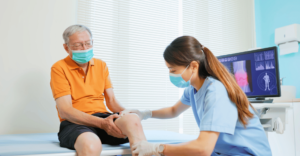
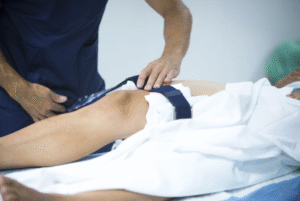
Orthopedic specialists begin by evaluating swelling, bruising, pain levels, and movement limitations. They assess joint stability and check for possible tissue or nerve damage surrounding the fracture.
Advanced Imaging Technology
Modern Orthopedic Services often include advanced imaging tools such as:
- Digital X-rays
- CT scans
- MRI scans
- Bone imaging technology
These diagnostic tools help orthopedic specialists evaluate bone alignment, fracture complexity, and surrounding soft tissue injuries.
Personalized Treatment Planning
Orthopedic Services create treatment plans based on several important factors, including:
- Patient age
- Overall health condition
- Fracture location
- Severity of the injury
- Activity level
- Mobility goals
Personalized care supports safer healing and more effective rehabilitation.
Treatment Options Available Through Orthopedic Services
Orthopedic specialists recommend treatment depending on the type and severity of the fracture.
Non-Surgical Fracture Treatment
Many fractures heal without surgery. Non-surgical Orthopedic Services may include:
- Casting
- Splinting
- Bracing
- Pain management
- Immobilization
- Activity modification
These treatments help keep the bone stable while natural healing occurs.
Surgical Fracture Repair
Severe fractures often require surgical intervention to restore proper bone alignment. Orthopedic Services may involve internal fixation procedures using:
- Metal plates
- Screws
- Rods
- Pins
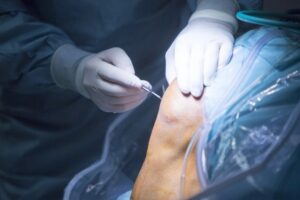
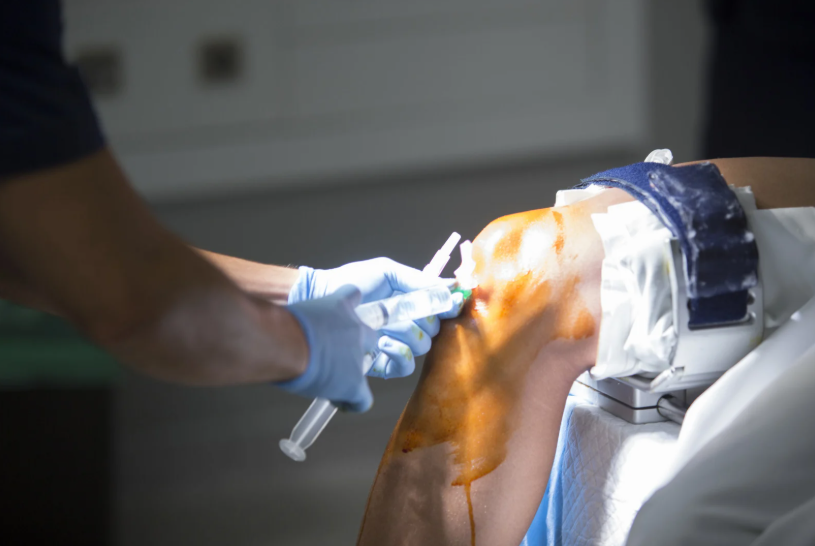
Surgical repair helps stabilize the bone and support proper healing, especially for fractures involving joints or multiple bone fragments.
Minimally Invasive Orthopedic Procedures
Modern Orthopedic Services increasingly use minimally invasive surgical techniques that reduce tissue damage and support faster recovery.
Smaller incisions often lead to:
- Reduced pain
- Lower infection risks
- Shorter hospital stays
- Faster rehabilitation
These advanced procedures help improve patient comfort during recovery.
Why Rehabilitation Is Important After Fracture Treatment
Rehabilitation remains one of the most important stages of recovery after fracture treatment. Even after the bone heals, patients may experience muscle weakness, stiffness, balance problems, and reduced flexibility.
Orthopedic Services include rehabilitation programs designed to restore physical function gradually and safely.
Restoring Strength and Mobility
Physical therapy exercises help strengthen muscles surrounding the injured area. Mobility training improves flexibility and joint movement after immobilization.
Rehabilitation programs within Orthopedic Services may include:
- Strength exercises
- Stretching routines
- Balance training
- Range-of-motion exercises
- Walking and coordination exercises
Preventing Long-Term Stiffness
Without proper rehabilitation, joints and muscles may become stiff and weak after long periods of inactivity. Orthopedic Services guide patients through controlled recovery programs that encourage safe movement progression.
Improving Balance and Coordination
Balance problems may increase the risk of falls and reinjury, especially among older adults. Orthopedic rehabilitation programs often include coordination and stability exercises to improve safety during movement.
Benefits of Choosing Reliable Orthopedic Services
Reliable Orthopedic Services provide several advantages throughout fracture recovery and rehabilitation.
Accurate Diagnosis and Treatment
Experienced orthopedic specialists can identify fractures quickly and recommend appropriate treatment strategies before complications develop.
Personalized Recovery Programs
Every patient heals differently. Reliable Orthopedic Services provide customized recovery plans based on the patient’s physical condition, lifestyle, and mobility goals.
Access to Modern Orthopedic Technology
Advanced imaging systems, minimally invasive procedures, and modern rehabilitation tools improve treatment precision and recovery efficiency.
Better Long-Term Recovery Outcomes
Patients who receive quality Orthopedic Services often experience improved mobility, stronger recovery, and lower reinjury risks.
Factors to Consider When Choosing Orthopedic Services
Choosing the right orthopedic provider is important for successful fracture treatment and rehabilitation.
Important qualities to look for include:
- Experienced orthopedic specialists
- Comprehensive rehabilitation programs
- Modern diagnostic equipment
- Personalized patient care
- Clear communication and support
Patients should also ask about rehabilitation options, recovery timelines, follow-up care, and available treatment technologies before selecting an orthopedic provider.
Recovery Tips After Fracture Treatment
Patients recovering through Orthopedic Services can support healing by following proper recovery habits.
Follow Medical Instructions Carefully
Patients should attend follow-up appointments, wear braces or casts properly, and follow all orthopedic recommendations carefully.
Support Bone Healing Through Nutrition
Healthy nutrition supports faster recovery. Calcium, vitamin D, protein, and proper hydration all contribute to stronger bone healing.
Stay Consistent With Rehabilitation
Rehabilitation exercises should be performed consistently according to the treatment plan provided through Orthopedic Services. Gradual progress helps improve strength and mobility safely.
How Orthopedic Services Help Prevent Future Fractures
Preventive care is another important part of modern Orthopedic Services. Specialists help patients reduce future injury risks through bone health monitoring, strength training, and mobility improvement programs.
Preventive orthopedic care may include:
- Osteoporosis evaluations
- Fall prevention strategies
- Strength-building exercises
- Mobility assessments
- Lifestyle guidance for bone health
These programs help patients maintain stronger bones and safer movement long after recovery.
Takeaway
Reliable Orthopedic Services are essential for proper fracture treatment, rehabilitation, and long-term mobility recovery. Fractures affect more than just the bone itself, making professional orthopedic care important for restoring strength, flexibility, and physical function.
Modern Orthopedic Services combine advanced diagnostics, personalized treatment plans, surgical expertise, and rehabilitation programs to support safer and more effective healing. Patients who choose experienced orthopedic providers often experience faster recovery, reduced complications, and improved long-term mobility.
Early treatment and consistent rehabilitation remain key factors in achieving successful fracture recovery and maintaining an active lifestyle.
Frequently Asked Questions About Orthopedic Services
What are Orthopedic Services?
Orthopedic Services focus on diagnosing and treating conditions involving bones, joints, muscles, tendons, and ligaments.
How are fractures diagnosed through Orthopedic Services?
Orthopedic specialists use physical examinations, digital X-rays, CT scans, and MRI scans to evaluate fractures accurately.
Can fractures heal without surgery?
Yes. Many fractures heal through non-surgical Orthopedic Services such as casting, splinting, and rehabilitation.
Why is rehabilitation important after fracture treatment?
Rehabilitation helps restore strength, flexibility, balance, and mobility after the bone has healed.
What fractures usually require surgery?
Complex, displaced, unstable, or multi-fragment fractures often require surgical repair through Orthopedic Services.
How long does fracture recovery usually take?
Recovery time depends on the fracture severity, patient health, treatment method, and rehabilitation progress.
Can Orthopedic Services help prevent future fractures?
Yes. Orthopedic specialists often provide bone health evaluations, balance training, and injury prevention programs.
When should someone seek Orthopedic Services after an injury?
Patients should seek Orthopedic Services immediately if they experience severe pain, swelling, deformity, difficulty moving, or inability to bear weight after an injury.