Sports and physical activities place constant stress on muscles, joints, ligaments, tendons, and bones. Athletes and active individuals often push their bodies through repetitive movements, sudden direction changes, jumping, sprinting, and high-impact motion. These physical demands increase the risk of injuries that may affect performance, mobility, and long-term joint health. Proper Orthopedic Services play a major role in diagnosing, treating, and rehabilitating sports-related injuries safely and effectively.
Ignoring sports injuries may lead to chronic pain, joint instability, reduced flexibility, and recurring physical problems. Early evaluation through Orthopedic Services helps identify the severity of injuries before complications worsen. Modern orthopedic care now combines advanced diagnostics, minimally invasive procedures, rehabilitation programs, and personalized treatment plans to support faster recovery and improved athletic performance.
Common Sports Injuries Treated Through Orthopedic Services
Athletes and physically active individuals commonly experience several types of musculoskeletal injuries. Orthopedic Services help address these conditions using specialized treatment and recovery programs.
ACL Tears and Knee Ligament Injuries
Anterior cruciate ligament injuries are among the most common knee problems in sports. ACL tears often occur during activities that involve sudden stopping, twisting, pivoting, or jumping. Sports such as basketball, football, soccer, and volleyball frequently place athletes at higher risk.
Symptoms may include knee instability, swelling, pain, and difficulty bearing weight. Orthopedic Services for ACL injuries may involve physical therapy, bracing, rehabilitation exercises, or surgical reconstruction depending on the severity of the tear.
Advanced orthopedic procedures and structured rehabilitation programs help athletes regain strength, stability, and movement before returning to sports.
Rotator Cuff Injuries
Shoulder injuries are common among athletes involved in overhead sports such as baseball, tennis, swimming, and volleyball. Rotator cuff injuries affect the muscles and tendons responsible for shoulder movement and stability.
Patients may experience shoulder weakness, pain during lifting motions, and limited mobility. Orthopedic Services for shoulder injuries often include physical therapy, anti-inflammatory treatment, mobility exercises, and minimally invasive surgery if necessary.
Proper rehabilitation is important because untreated shoulder injuries may lead to chronic weakness and recurring discomfort.
Meniscus Tears
The meniscus is a piece of cartilage that cushions the knee joint. Sudden twisting movements during sports activities can cause meniscus tears. Athletes involved in soccer, basketball, football, and running activities commonly experience this injury.
Symptoms often include knee locking, swelling, pain, and difficulty bending the knee. Orthopedic Services use advanced imaging tools and mobility assessments to diagnose cartilage damage accurately.
Treatment may involve physical therapy, rest, bracing, or arthroscopic surgery depending on the severity of the injury.
Tennis Elbow and Golfer’s Elbow
Repetitive arm movements can place excessive stress on tendons surrounding the elbow. Tennis elbow and golfer’s elbow are overuse injuries commonly seen among athletes, fitness enthusiasts, and workers who perform repetitive motions.
Orthopedic Services for these conditions often include stretching exercises, physical therapy, pain management, activity modification, and strengthening programs designed to reduce strain on affected tendons.
Ankle Sprains and Instability
Ankle sprains occur when ligaments surrounding the ankle stretch or tear. Running, jumping, and sudden direction changes increase the risk of ankle injuries during sports activities.
Symptoms may include swelling, bruising, pain, and balance problems. Orthopedic Services help stabilize the ankle through rehabilitation exercises, mobility training, bracing, and strength-building programs.
Proper treatment is important because repeated ankle sprains may lead to long-term instability.
Achilles Tendon Injuries
The Achilles tendon connects the calf muscles to the heel and plays a major role in running and jumping movements. Sudden bursts of activity may strain or rupture the tendon.
Orthopedic Services for Achilles injuries focus on restoring strength, flexibility, and stability through rehabilitation and controlled recovery programs. Severe tendon tears may require surgical repair followed by physical therapy.
Stress Fractures
Stress fractures are small cracks in bones caused by repetitive force and overtraining. Runners, dancers, and athletes involved in high-impact sports commonly experience these injuries.
Orthopedic Services help diagnose stress fractures early using advanced imaging technology. Early treatment reduces the risk of complete fractures and supports safer recovery.
How Orthopedic Services Diagnose Sports Injuries
Accurate diagnosis is one of the most important parts of orthopedic care. Modern Orthopedic Services use advanced tools and physical assessments to identify injuries more effectively.
Physical Evaluations and Movement Testing
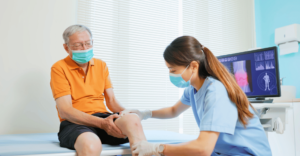
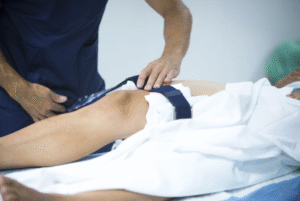
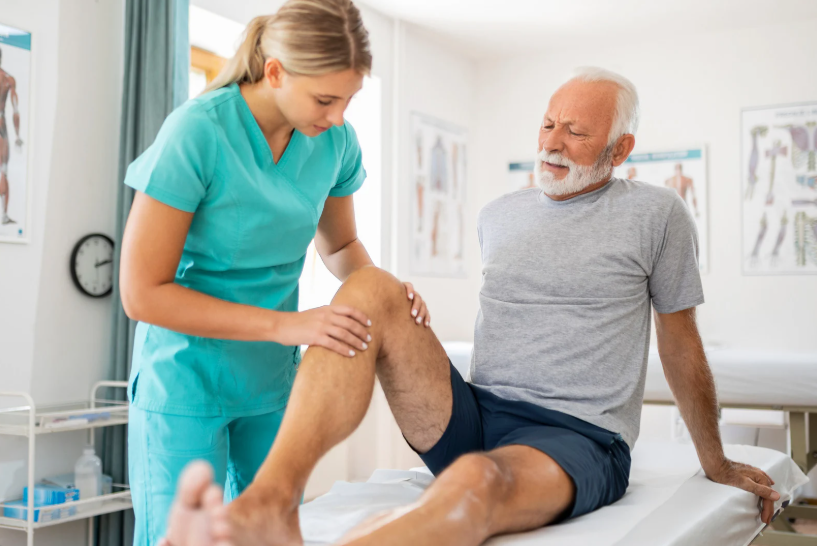
Orthopedic specialists perform physical examinations to assess joint stability, muscle strength, flexibility, and movement patterns. Functional testing helps determine how the injury affects athletic performance and daily activity.
Advanced Imaging Technology
Modern Orthopedic Services often use:
- MRI scans
- CT scans
- Digital X-rays
- Ultrasound imaging
- Motion analysis systems
These technologies help specialists detect ligament tears, tendon damage, fractures, cartilage injuries, and joint abnormalities more accurately.
Digital Motion Analysis
Some Orthopedic Services also use movement tracking systems to analyze posture, running mechanics, balance, and movement efficiency. These evaluations help identify physical weaknesses that may contribute to injury risks.
Treatment Options Available Through Orthopedic Services
Treatment plans vary depending on the type and severity of the injury. Orthopedic Services focus on restoring mobility, reducing pain, and supporting safe recovery.
Non-Surgical Treatment Options
Many sports injuries improve through conservative treatment methods such as:
- Physical therapy
- Rest and activity modification
- Bracing and support devices
- Pain management
- Stretching and strengthening exercises
Non-surgical Orthopedic Services often help athletes recover while avoiding more invasive procedures.
Minimally Invasive Orthopedic Procedures
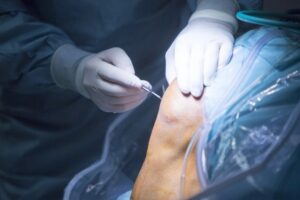
Arthroscopic surgery is commonly used in Orthopedic Services to treat joint injuries with smaller incisions. This approach reduces tissue damage and often shortens recovery time.
Minimally invasive procedures may be used for:
- Meniscus repair
- ACL reconstruction
- Shoulder repair
- Cartilage treatment
Surgical Treatment for Severe Injuries
Some injuries require surgery to restore joint stability and function. Orthopedic Services may include ligament reconstruction, tendon repair, fracture fixation, and joint stabilization procedures.
Modern surgical techniques focus on improving precision while reducing recovery complications.
The Importance of Physical Therapy in Orthopedic Services
Physical therapy remains one of the most important components of Orthopedic Services for sports injury recovery. Rehabilitation programs help restore flexibility, coordination, muscle strength, and joint stability.
Therapists create personalized exercise plans based on the athlete’s condition, recovery goals, and sport-specific demands. Recovery programs often progress gradually to prevent reinjury while rebuilding physical performance.
Physical therapy within Orthopedic Services may include:
- Balance exercises
- Strength training
- Flexibility exercises
- Sport-specific movement drills
- Agility training
- Endurance conditioning
Consistent rehabilitation supports safer return-to-play timelines and long-term injury prevention.
How Orthopedic Services Help Prevent Future Injuries
Orthopedic care focuses not only on treatment but also on prevention. Advanced Orthopedic Services help athletes reduce future injury risks by identifying physical imbalances and movement problems.
Specialists may recommend:
- Biomechanical evaluations
- Strength-building programs
- Proper stretching routines
- Conditioning exercises
- Recovery management plans
Preventive orthopedic strategies help athletes maintain mobility, stability, and overall physical performance.
Choosing the Right Provider for Orthopedic Services
Athletes should seek providers with experience in sports medicine and rehabilitation. Quality Orthopedic Services often include advanced diagnostic tools, personalized recovery plans, and comprehensive rehabilitation support.
Important qualities to consider include:
- Sports injury expertise
- Modern orthopedic technology
- Experienced rehabilitation specialists
- Patient-focused treatment plans
- Clear recovery guidance
Choosing the right orthopedic team can significantly improve recovery outcomes and athletic performance.
Takeaway
Sports injuries can affect mobility, strength, performance, and long-term joint health when left untreated. Orthopedic Services provide advanced diagnosis, treatment, rehabilitation, and injury prevention strategies that help athletes recover safely and efficiently.
Modern orthopedic care combines advanced imaging, minimally invasive procedures, personalized therapy programs, and sports rehabilitation techniques to improve recovery outcomes. Athletes who seek early Orthopedic Services often experience faster healing, improved stability, and safer return to physical activity.
Proper orthopedic treatment not only addresses existing injuries but also supports long-term athletic health and performance.
Frequently Asked Questions About Orthopedic Services
What are Orthopedic Services?
Orthopedic Services focus on diagnosing and treating injuries and conditions involving bones, joints, muscles, ligaments, and tendons.
What sports injuries commonly require Orthopedic Services?
ACL tears, rotator cuff injuries, meniscus tears, ankle sprains, stress fractures, and tendon injuries are commonly treated through Orthopedic Services.
Can sports injuries heal without surgery?
Yes. Many injuries improve through physical therapy, rehabilitation, bracing, and other non-surgical Orthopedic Services.
What is arthroscopic surgery?
Arthroscopic surgery is a minimally invasive orthopedic procedure that uses small incisions and specialized instruments to treat joint injuries.
How does physical therapy help sports injury recovery?
Physical therapy improves strength, flexibility, coordination, and balance while supporting safe recovery after injury or surgery.
How long does recovery from sports injuries usually take?
Recovery time depends on the severity of the injury, treatment type, and rehabilitation consistency.
Can Orthopedic Services help prevent future injuries?
Yes. Orthopedic specialists often provide injury prevention programs, movement assessments, and strengthening exercises to reduce reinjury risks.
When should an athlete seek Orthopedic Services?
Athletes should seek Orthopedic Services if they experience persistent pain, swelling, instability, limited mobility, or difficulty performing sports activities.